


Marketing automation for Turkish businesses is becoming a practical way to move faster, speak to leads at the right time and turn interest into sales. Turkey has a large online audience, active mobile users and a strong mix of local and global buyers. That makes timing very important. A person may see a brand on Instagram, search for it later, read a blog, fill in a form and expect a clear reply within minutes.
This is where marketing automation in Turkey becomes useful. It connects CRM, email, content, ads and reporting into one smoother system. The aim is simple. Spend less time on repeat tasks and more time on strategy, content quality and customer conversations.
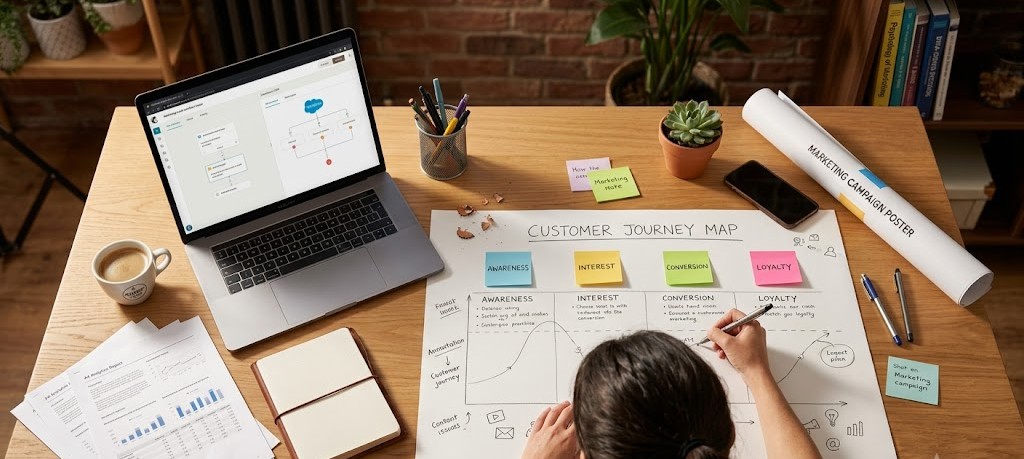
What Is Marketing Automation?
Marketing automation is software that runs planned marketing actions based on customer behaviour, data and timing. It can send emails, score leads, assign contacts to sales teams, update CRM records and trigger follow-up journeys.
It works through rules. A visitor fills in a form. The CRM records the action. The contact enters a welcome flow. Sales gets an alert when intent grows.
From single campaigns to connected journeys
Many brands still think in single campaigns. One email. One ad. One social post. Automation changes that. It turns those separate actions into a connected customer journey automation system.
A lead can start with a search query, land on a guide, join an email list, receive useful content and book a call later. Each step feels natural because it follows the person’s own actions.
How automation connects CRM, email, content and sales
A strong setup links CRM data with email, content, sales notes and campaign reporting. That means the team can see who clicked, who downloaded, who booked and who is ready for a sales conversation.
This creates better sales and marketing alignment. Marketing warms the lead. Sales enters with context.
Why Marketing Automation Matters for Turkish Businesses
Turkey is a digital-first market with buyers who compare brands quickly. Local brands also serve wider markets in tourism, healthcare, education, real estate, retail, SaaS and professional sectors.
Digital marketing in Turkey now needs timing, relevance and data clarity.
Turkey’s digital audience and global buyer journey
A Turkish business may attract local leads, UK buyers, European partners and Gulf customers at the same time. Each audience may speak a different language, use different channels and need different content.
Automation lets a brand build journeys for each group. A UK lead can receive English content. A local lead can receive Turkey-focused guidance. A B2B lead can move into a longer nurture path.
Why faster follow-up creates stronger engagement
People often make decisions while interest is high. A fast response can keep that interest alive. A slow reply can make the brand feel distant.
With automation, a quote request can trigger an instant email. A consultation form can alert the sales team. A returning visitor can enter a warmer sequence.
Official Marketing Automation Features Turkish Teams Should Know
Most marketing automation tools share a core feature set. The value comes from how well the team connects those features to goals.
Workflow automation and trigger-based journeys
Workflows are the engine. They run actions after a trigger. Triggers can include a form fill, email click, guide download, product view, webinar sign-up, basket activity or CRM stage change.
Automated workflows keep simple tasks moving in the background while the team focuses on planning and creative work.
Email automation and lead nurturing sequences
Email automation in Turkey can support welcome flows, demo reminders, educational emails, event follow-ups, abandoned basket messages and loyalty journeys.
This connects closely with lead nurturing in Turkey. A brand can send content that fits the stage, interest and intent of each contact. Pella’s guide on email marketing in Turkey is a strong next read for this topic.
CRM integration, segmentation and lead scoring
CRM automation in Turkey makes the contact database more useful. It records actions, updates lead stages and gives teams a shared view of each customer.
Customer segmentation groups people by location, language, interest, buying stage, industry or behaviour. Lead scoring adds higher scores to contacts who take valuable actions, such as reading a solution page or booking a call.
Analytics, reporting and conversion optimisation
Good reporting shows which campaigns create leads and which leads turn into sales. This is where conversion optimisation becomes practical. A team can test landing pages, forms, subject lines and calls to action.
AI-assisted timing, content testing and multichannel activity
AI marketing automation can support send-time suggestions, subject line ideas, segment insights and campaign summaries. Human judgement still matters. Brand voice, message and timing need a real strategy behind them.
Automation can also support omnichannel marketing in Turkey through email, SMS, WhatsApp, remarketing audiences, CRM updates and social touchpoints.
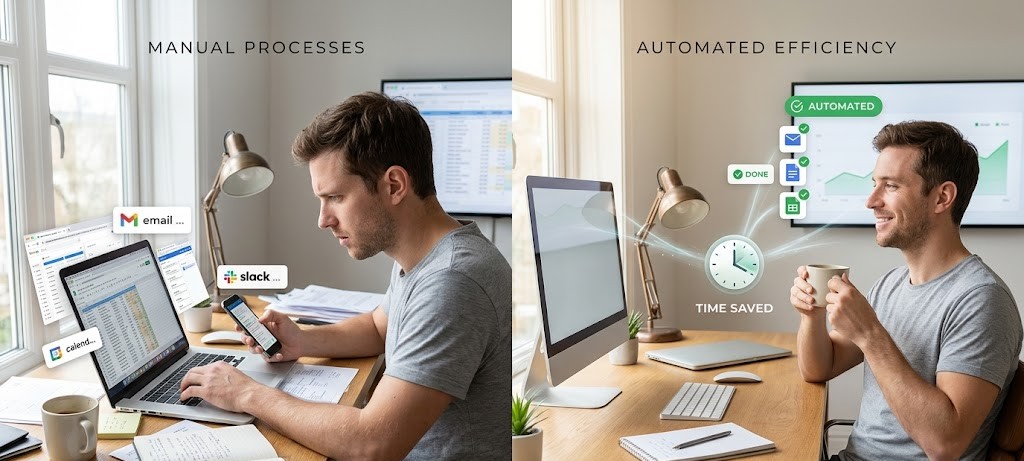
How Marketing Automation Saves Time for Teams
Automation saves time by removing repeat work from the daily routine.
Automating repetitive marketing tasks
Teams can automate welcome emails, reminders, review requests, webinar follow-ups, sales alerts and re-engagement flows. A simple workflow can welcome every new lead, share a useful resource and invite them to take the next step.
Centralising data across sales and marketing
When data sits in one place, teams can move with more confidence. Sales can see marketing activity. Marketing can see which leads become real opportunities. Managers can see which channels create better returns.
This is a key part of growth marketing and insight, where data, testing and automation work together.
Creating repeatable campaign templates
Once a workflow works well, it can become a template. A Turkish brand can reuse it for product launches, event campaigns, lead magnets and regional campaigns.
How Turkish Businesses Can Nurture Leads
Lead nurturing is about staying useful while the buyer decides.
Welcome sequences for new subscribers
A welcome flow can introduce the brand, share a useful guide, explain the main solution and invite the reader to speak with the team.
Educational journeys for B2B leads
B2B marketing automation works best with useful education. A B2B lead may need industry insight, case-style content, technical guidance and a clear route to a meeting.
This is where content marketing becomes central. Strong content gives automation something valuable to send.
E-commerce reminders and loyalty flows
E-commerce brands can use browse reminders, basket reminders, post-purchase education, product care emails, review requests and loyalty updates.
These journeys keep the customer close after the first purchase and support stronger brand recall.
Sector-specific automation for Turkey
Tourism brands can send travel guides. Clinics can guide patients through consultation steps. Universities can nurture international applicants. Real estate firms can send property matches. SaaS teams can educate trial users.

How Automation Improves Conversions
Automation improves conversions because it matches the message with the moment.
Behaviour-based messaging
A person who reads a pricing page is in a different stage from someone reading a beginner’s guide. A person who returns three times in one week may deserve a stronger follow-up.
Behaviour-based messaging uses these signals. It sends content that matches the level of interest.
Lead scoring and sales handoff
Lead scores make sales follow-up smarter. A contact with a high score can move to sales. A contact with a lower score can stay in a nurture flow.
This keeps teams focused on leads with the clearest buying intent.
Landing pages, forms and remarketing
A strong conversion path starts with traffic. SEO, social media and paid ads bring visitors. Landing pages turn visitors into leads. Forms capture details. Automation guides the next step.
For paid campaigns, digital advertising can connect with remarketing audiences and CRM segments. This creates a stronger path from first click to conversion.
Testing CTAs, subject lines and timing
Testing keeps campaigns fresh. Teams can test email subject lines, form length, page copy, CTA wording, send time and nurture order.
The aim is steady improvement. Each test gives the team a clearer view of what customers respond to.
Choosing the Right Marketing Automation Stack in Turkey
The right stack depends on the sales cycle, team size, budget, CRM setup and growth goals.
HubSpot, Salesforce and Mailchimp use cases
HubSpot suits CRM-first teams that need forms, workflows, lead scoring and inbound marketing. Salesforce suits longer B2B sales cycles and deeper reporting. Mailchimp suits accessible email marketing automation, customer journeys, tags and e-commerce flows.
ActiveCampaign, Brevo and Zoho for growing teams
ActiveCampaign suits deep automation, segmentation and multichannel journeys. Brevo suits email, SMS, WhatsApp and CRM-friendly activity. Zoho suits a wider business software setup with CRM at the centre.
Integration with website, ads, SEO and CRM data
A tool works best when it connects with the website, ad platforms, CRM, analytics and content plan. A brand can then see the journey from search to lead, sale and loyalty.
Compliance and Data Clarity for Turkey and UK Audiences
Automation needs clean consent and clear data practices. This is especially important for Turkish brands speaking to UK and global audiences.
IYS and commercial message consent in Turkey
IYS is the system linked to commercial electronic message permissions in Turkey. Brands sending promotional messages need a consent-led approach and clear preference handling.
KVKK and personal data use
KVKK governs personal data use in Turkey. Brands should collect data with a clear purpose, keep records organised and use customer information with care.
UK GDPR and PECR for UK audience targeting
When a Turkish business targets UK contacts, UK GDPR and PECR rules also matter. Email and SMS marketing should use clear permission, sender details and easy opt-out routes.
Marketing Automation Strategy: A Step-by-Step Plan
A good marketing automation strategy starts small and grows with data.
Map the customer journey
Map each stage. Awareness. Interest. Consideration. Enquiry. Purchase. Loyalty. Referral.
Then decide what each person needs at each stage. A new visitor may need education. A warm lead may need proof. A returning customer may need loyalty content.
Define audience segments
Useful segments can include new subscribers, warm leads, returning customers, inactive contacts, high-value accounts, UK leads, local Turkey leads and industry groups.
Simple segments often work better than complex ones at the start.
Build the first three workflows
Start with three flows:
- Welcome sequence for new subscribers
- Lead nurture sequence for enquiries
- Re-engagement sequence for quiet contacts
These flows cover the main journey and give the team useful performance data.
Measure, optimise and scale
Track email clicks, form completions, booked calls, lead quality, sales handoff, conversion rate and revenue value.
Then improve the journey step by step. Better timing, clearer copy and stronger content can create steady growth.
How Pella Global Supports Automation-Led Growth
Marketing automation works best when it sits inside a wider growth system. It needs SEO for discovery, content for trust, ads for reach, CRM for structure and reporting for decisions.
Connecting automation with SEO, content, PR and paid media
Search brings people in. Content builds trust. Paid media creates reach. Digital PR improves brand authority. Automation keeps the conversation moving.
This is why automation should be part of one connected digital plan.
Building measurable growth systems for Turkey and global markets
For Turkish businesses with global ambition, automation can create a more organised route to growth. It makes follow-up faster. It makes lead nurturing clearer. It makes reporting more useful.
At Pella Global, strategy, creative work and data come together to guide stronger visibility, better customer journeys and measurable growth through marketing automation in Turkey.
FAQs on Marketing Automation for Turkish Businesses
1. What is marketing automation in Turkey?
Marketing automation in Turkey means using CRM, email, workflows and analytics to manage customer journeys. It supports Turkish brands that want faster follow-up, better lead nurturing and clearer conversion tracking.
2. Which Turkish businesses benefit most from marketing automation?
E-commerce, B2B, tourism, healthcare, education, real estate, retail and professional firms can all gain value from automation. It works especially well for teams with regular enquiries, repeat customers or longer sales cycles.
3. How does marketing automation nurture leads?
It sends the right message based on timing, behaviour and customer stage. A new lead can receive useful content first, then a stronger call to action when they show more interest.
4. Which marketing automation tools are useful for Turkish businesses?
HubSpot, Salesforce, Mailchimp, ActiveCampaign, Brevo and Zoho are common options. The right choice depends on CRM setup, team size, budget and sales process.
5. How can marketing automation improve conversions?
It improves conversions by making follow-up faster, messages more relevant, and sales handoff clearer. For Turkish brands targeting local and global buyers, marketing automation in Turkey can turn more digital interest into measurable growth.
