


Visual Search SEO in Turkey is becoming a real growth channel for image-based brands. A hotel view, a handmade lamp, a clinic room, a restaurant dish or a fashion item can now start a search. People can point their camera, upload a screenshot or use Google Lens to find what they see.
This matters for Turkey. The country has fast digital growth, strong tourism cities, busy retail demand and local brands with visual stories worth finding. For UK and global audiences, images often shape the first impression before words do.
What Visual Search SEO Means for Turkish Brands
Visual search optimisation in Turkey means preparing images so they can appear when people search with photos, screenshots or camera tools. It blends technical SEO, content strategy and brand storytelling.
A strong page needs clear image quality, useful page context and clean technical data. Together, they make images easier to understand and easier to trust.
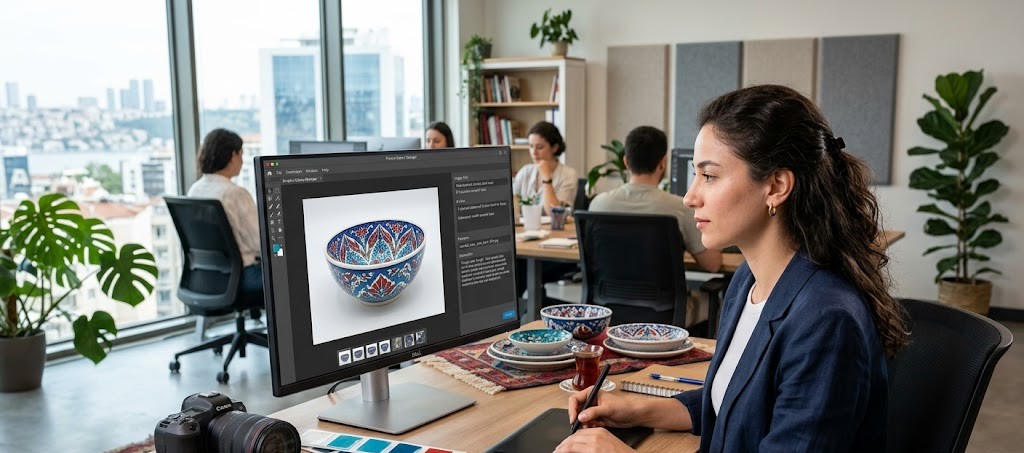
How Google Lens changes buyer discovery
Google Lens lets people search for what they see. A traveller can scan a landmark. A shopper can photograph a jacket. A diner can translate a menu. A buyer can search for a similar chair from a screenshot.
That changes behaviour. People can move from interest to search in seconds. This is why Google Lens SEO Turkey now matters for e-commerce, tourism, hospitality, real estate, healthcare, food and retail brands.
Why image context matters as much as image quality
A beautiful image gives only part of the story. Google also reads the page around it. It looks at headings, captions, filenames, alt text and page topic.
A photo named IMG_2049.jpg says very little. A file named antalya-boutique-hotel-sea-view-room.jpg gives clear meaning. Add matching copy, and the image becomes easier to place in search. This is the heart of image SEO in Turkey.
Why English content matters for UK and global audiences
Many Turkish brands sell to visitors, investors, buyers and partners outside Turkey. English content makes that journey smoother.
A UK traveller may search for Antalya hotels, Istanbul tours or Turkish dental clinics in English. A global buyer may search for Turkish furniture, fashion, ceramics or food brands. This is why English SEO content for Turkish brands should connect visuals with clear page copy.
Why Turkey Is Ready for Visual Search Growth
E-commerce growth and mobile product discovery
Türkiye’s Ministry of Trade reported an e-commerce volume of 4.57 trillion Turkish lira in 2025, equal to about USD 115.43 billion. That is a major signal for e-commerce SEO in Turkey.
Product pages now need clean images, clear variants, schema, fast loading and trust signals. For fashion, beauty, homeware, food and electronics, visual discovery can bring buyers who already know the look they want.
Tourism visibility across hotels, restaurants and landmarks
Turkey welcomed high visitor numbers in 2025, with Istanbul, Antalya, Mugla and other destinations drawing strong attention. Tourism is a visual sector by nature.
A hotel balcony, a Cappadocia balloon view, a seafood plate in Izmir or a hammam interior can all become a search moment. Tourism SEO Turkey should treat images as booking assets with value beyond decoration.
Local brands and image-led discovery on Search and Maps
Local users and visitors often choose with their eyes. They compare storefronts, menus, rooms, products, interiors and team photos.
That is where local SEO Turkey connects with visual search. Google Business Profile photos, location pages and image-rich local landing pages can shape the first click.
How Google Reads Images Across Search, Lens and Shopping
Image quality, filenames, alt text and page relevance
For Google Images SEO, use clear original images, natural filenames, short descriptive alt text, useful captions and fast mobile pages.
Alt text should describe the image in plain language. Red Turkish ceramic coffee cup on a wooden cafe table is stronger than the coffee cup image.
Product structured data for richer shopping results
Structured data for images gives search systems extra meaning. For product pages, Product schema can show image, name, price, availability, review details and shipping data where relevant.
This is vital for Product schema SEO because visual search often connects to shopping intent. Pella has covered this wider technical layer in its article on Turkish e-commerce pages becoming AI search sources, which pairs well with visual search planning.
Merchant Centre alignment for e-commerce visibility
For product feeds, Merchant Centre image optimisation matters. The main product image should match the product page. Titles, descriptions, price and availability should also align.
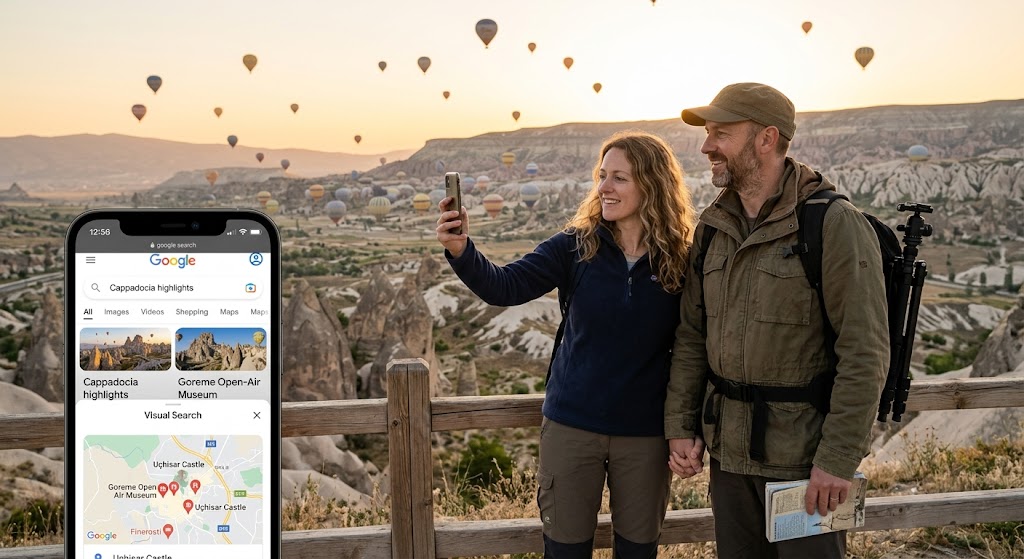
Visual Search SEO for E-Commerce Brands in Turkey
Product photography, variants and category pages
For product image SEO, each main product should have a front view, side view, detail close-up, lifestyle shot, scale reference and colour variants.
Category pages also need visual care. A page for Turkish linen dresses should include images that match the exact products, season and audience intent.
Alt text, captions and visual product intent
Alt text should sound human. Captions can support buyer intent. A caption like handwoven Turkish towel in soft cotton for beach and spa use is clear and natural.
The page copy should answer what a buyer may ask after seeing the image. What is it made from? Where is it used? Is it suitable for travel, gifting or daily use?
Fashion, beauty, food, property and retail use cases
Visual search has clear use cases across Turkish sectors.
| Sector | Visual search angle |
| Fashion | Find similar outfits, colours and styles |
| Beauty | Match product packaging and shades |
| Food | Identify dishes and restaurants |
| Property | Explore interiors, views and location style |
| Retail | Compare products from screenshots |
This is where Google Lens for e-commerce becomes practical. The shopper may see an item on social media first, then search visually and compare buying routes.
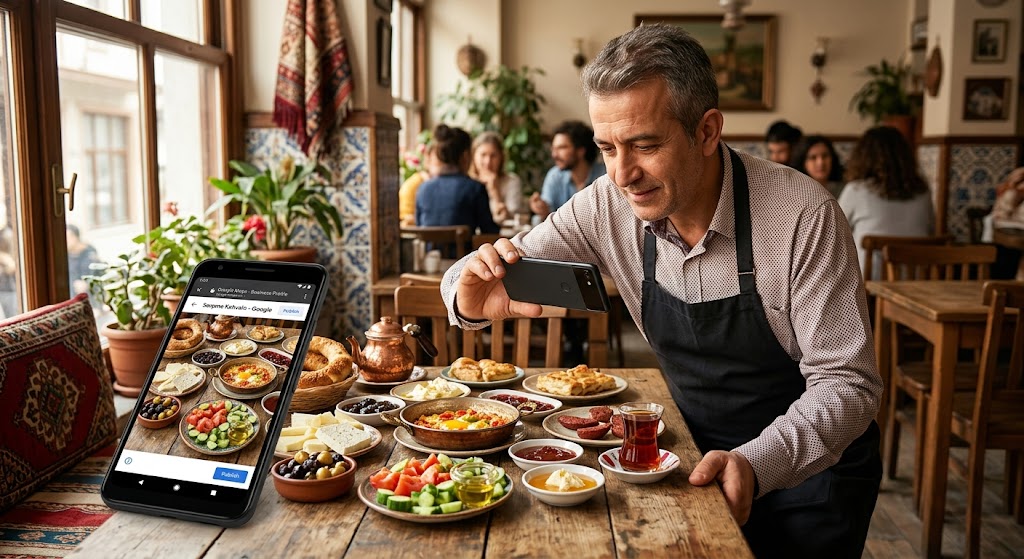
Visual Search SEO for Tourism Brands in Turkey
Hotels, tours, landmarks and experience-led imagery
Hotels should optimise room photos, lobby images, pool scenes, spa images and nearby attractions. Tour brands should optimise route maps, landmark photos, transport images and experience shots.
Each image should answer a traveller’s question. What will I see? What does the room feel like? Where is this place? How close is it to the main attraction?
Visual content for UK travellers and global visitors
A UK audience often searches with practical intent. They may compare family hotels, city breaks, dental tourism, beach resorts or guided tours.
Use English captions and page copy that match those journeys. Terms like ‘family-friendly’ hotel in Antalya or private Bosphorus tour in Istanbul make it easier to connect images with real searches.
Seasonal imagery, local culture and destination search
Turkey has strong seasonal search patterns. Summer beaches, winter ski trips, spring balloon rides and autumn city breaks all need different images.
Visual Search SEO for Local Turkish Brands
Google Business Profile image strategy
Google Business Profile photos should be clear, bright and real. Use JPG or PNG, keep images sharp and show the actual business.
Add photos for storefront, interior, team, products, menus, rooms and nearby landmarks. Fresh images signal activity and make the listing feel alive.
Storefront, menu, product and team visuals
A storefront photo supports arrival. A menu photo supports choice. A team image supports trust. Product photos support purchase.
For local brands, these images should match the website and social pages. Consistency makes the brand easier to recognise across Search and Maps.
Local landing pages, image schema and Maps visibility
Local pages should connect images with location terms. A dentist in Antalya can optimise clinic room images, treatment pages and team photos with clear local context.
Use LocalBusiness schema, image fields, address details and map links. This creates stronger local brand visibility in Turkey across search surfaces.
Technical Visual SEO Checklist
Crawlable images and image sitemaps
Google needs access to your images. Use standard HTML image tags, add image sitemaps for key visuals and keep important image folders open to crawlers.
The checklist is simple: use indexable image URLs, keep image pages crawlable, add images to sitemaps, use clean filenames and match images with page topics.
WebP, AVIF, compression and page speed
Fast pages support better user journeys. Use WebP or AVIF for lighter files where suitable. Compress images before upload. Serve responsive sizes for mobile and desktop.
This also supports Core Web Vitals. A fast gallery keeps people moving. For deeper SEO execution, Pella Global SEO solutions cover technical structure, content planning and organic visibility.
Structured data types to use
Use schema that fits the page. Use schema that fits the page. Product pages can use Product schema together with pricing and availability markup. Local pages can use LocalBusiness. Blog articles can use ‘Article’ and ‘FAQPage’. Gallery pages can use ImageObject.
Schema works best when the page content is clear too. This is practical image optimisation for Google Lens because Lens and Search need both image and context.
Measuring Visual Search SEO Results
Google Search Console image search performance
Google Search Console can show image search performance. Track impressions, clicks, pages and queries. Look for pages where images already attract attention.
Compare old images and updated images. Watch which pages gain more search visibility after filenames, alt text, captions and schema are improved.
Merchant Centre and Business Profile engagement signals
For e-commerce, Merchant Centre can show product feed performance and product visibility signals. For local brands, Google Business Profile can show views, calls, website clicks and direction requests.
These are useful signs. They show how visual assets support action.
Image-led conversions and assisted journeys
A customer may see an image first, visit later and buy after another search. Track assisted journeys through analytics, product pages, enquiry forms, calls and bookings.
Pella Global Approach to Visual Search SEO in Turkey
Combining SEO, Digital PR and brand positioning
Visual search performs better when brand signals are strong. SEO makes pages readable. Digital PR builds authority. Brand positioning shapes the story. Content marketing turns that story into useful assets.
Creating visual authority for local and global audiences
Visual authority means the brand looks clear, consistent and credible everywhere. The website, Google Business Profile, social channels, product feeds and media mentions should tell the same story.
Turning visual assets into measurable digital growth
Pella Global can connect image strategy with SEO structure, landing pages, digital PR and content planning. Content marketing solutions can also turn product photos, destination guides and brand visuals into articles, FAQs, social stories and search-ready pages.
That is where AI search visibility in Turkey, multimodal search SEO, visual discovery SEO and international SEO meet. The brand becomes easier to find in both classic search and newer visual search journeys.
FAQs on Visual Search SEO in Turkey
What is visual search SEO?
Visual search SEO is the process of making images easier for search systems to understand and show in results. It uses image quality, filenames, alt text, captions, schema and page context.
For Turkey, it supports brands that depend on strong visuals, such as e-commerce, tourism, food, property, healthcare and local retail.
Why is Google Lens important for Turkish e-commerce brands?
Google Lens lets shoppers search through photos, screenshots and camera scans. That makes product images more important for discovery.
Turkish e-commerce brands can use clear photography, Product schema, Merchant Centre alignment and useful page copy to reach buyers who start with a visual idea.
How can tourism brands in Turkey use visual search SEO?
Tourism brands can optimise hotel rooms, tour scenes, landmarks, food, activities and local culture images. Each image should sit near clear English copy and answer a real traveller question.
This gives UK and global visitors more confidence when they compare places, plan trips and choose where to book.
What image data matters most for Google?
Google reads the image file, filename, alt text, captions, page title, nearby copy and structured data. It also looks at page quality and technical access.
The best setup uses original images, simple language, fast loading, crawlable files and accurate schema.
How can local businesses in Turkey strengthen their image visibility?
Local businesses can upload real Google Business Profile photos, use clear location pages and keep website images aligned with products, rooms, menus and storefronts. Fresh visuals make the brand easier to recognise.
At Pella Global, visual search SEO in Turkey turns product photos, destination imagery and local brand visuals into stronger search visibility for e-commerce, tourism and local brands.
