


App Store optimisation in Turkey matters because most users meet an app in Google Play or the App Store before they visit the brand site. A clear listing makes the app easy to find, read, and trust. For Turkish brands, this can open a stronger path to local users, UK users, and wider global audiences.
This guide explains how App Store optimisation works and how brands can build better mobile app visibility through keywords, metadata, visuals, and reviews.
What Is App Store Optimisation?
App Store Optimisation, or ASO, is the process of improving an app listing so more people can find it and choose it. It applies to Google Play and Apple App Store.
Think of it as search work for mobile apps. SEO improves pages for Google Search. ASO improves app pages for store search. The aim is clear: stronger ranking, better clicks, and more useful installs.
A strong ASO plan covers the app name, subtitle, short description, full description, screenshots, icon, ratings, and reviews. For a Turkish brand, ASO Turkey also needs local insight and the right mix of Turkish and English terms.
ASO and SEO Work Together
ASO and SEO are close partners. Store search brings users from app stores. Google Search can also show app pages, brand pages, and related content. This is where mobile app SEO becomes useful.
A clear app listing can work with a strong landing page and useful blog content. Pella’s SEO in Turkey approach fits here because search visibility now moves across websites and app stores.
For brands thinking beyond classic search, Pella’s guide on AI search visibility also connects well with ASO.
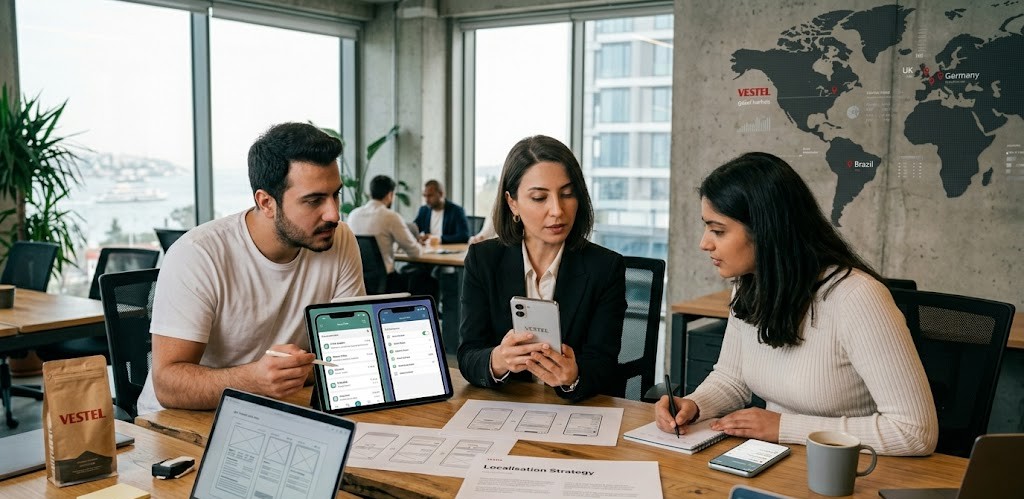
Why ASO Matters for Mobile Apps in Turkey
Turkey has a young, active, and mobile-led audience. People use apps for shopping, banking, travel, food, education, health, and entertainment. In a busy category, users may see many similar apps in seconds. This is why mobile app marketing in Turkey needs ASO from the start.
ASO also supports better ad spend because a strong listing turns more traffic into installs.
Turkey’s Mobile-First Search Behaviour
Many users search from their phones first. They use short terms, compare star ratings, and scan screenshots before they read long text. A good store listing can speak to local and global users through localised metadata, strong visuals, and simple value lines.
Why UK and Global Audiences Need Clear English Listings
A Turkish app can be strong and still lose global attention when the English listing feels stiff. UK and global users expect clear wording, natural benefits, and proof they can understand fast.
Use UK spelling, direct phrasing, and clean captions. Say what the app does, who it is for, and how it creates a smoother experience.
How Google Play and the App Store Rank Apps
Google Play and the App Store both use store content and user signals. Users install, rate, review and use apps. These actions can shape visibility over time. The main fields are app name, short text, longer description, keywords, ratings, reviews, and visuals.
App Store Ranking Signals
Apple uses text relevance and user behaviour. This means the app title, subtitle, keyword field, and category matter. Downloads, ratings, and reviews also matter.
The app name and subtitle are short, so each word needs purpose. Use the main phrase where it reads well. The keyword field should use relevant terms, category terms, and user search phrases.
The product page also needs good visuals. Screenshots, app previews, icons, and first lines should all tell the same story.
Google Play Ranking Signals
Google Play reads the app name, short description, and full description. This makes Google Play ASO more content-led than Apple ASO in many cases.
The app name needs one clear idea. The short description should give the main value fast. The full description should explain features and use cases in a natural way.
Google Play also uses preview assets. Icons, screenshots, feature graphics, and video can guide user choice. Data Safety details can build trust for finance, health, family, and productivity apps.
Keyword Research for App Store Optimisation in Turkey
Keyword research starts with real user language. Ask this: what would a user type when they need this app? The answer may be a brand term, a category term, a feature, or a simple phrase.
For ASO strategy for mobile apps, group keywords into brand terms, category terms, feature terms, and intent terms. A food delivery app may need delivery, restaurant, deals, fast order, and city terms. A travel app may need hotel, flight, tour, guide, and destination phrases.
Good keyword research also studies competitors and reviews language.
Turkish, English and Bilingual Search Intent
A Turkish app may serve local users, tourists, expats, and global customers. Each group searches in a slightly different way.
This is where app localisation in Turkey becomes important. Localisation means adapting keywords, captions, screenshots, and value points for each audience. It is more than translation. It is about meaning.
For English pages, use UK spelling and a natural flow. For Turkish listings, use terms people actually search in Turkey.
Competitor Keyword Mapping
Competitor mapping keeps ASO grounded. Check the top apps in the same category. Note the repeated terms in names, short text and reviews. Look at their screenshots. See which benefit appears first.
Then create a keyword map. Put core terms in the most visible fields. Use longer phrases in descriptions and FAQ content. Keep the writing clear.
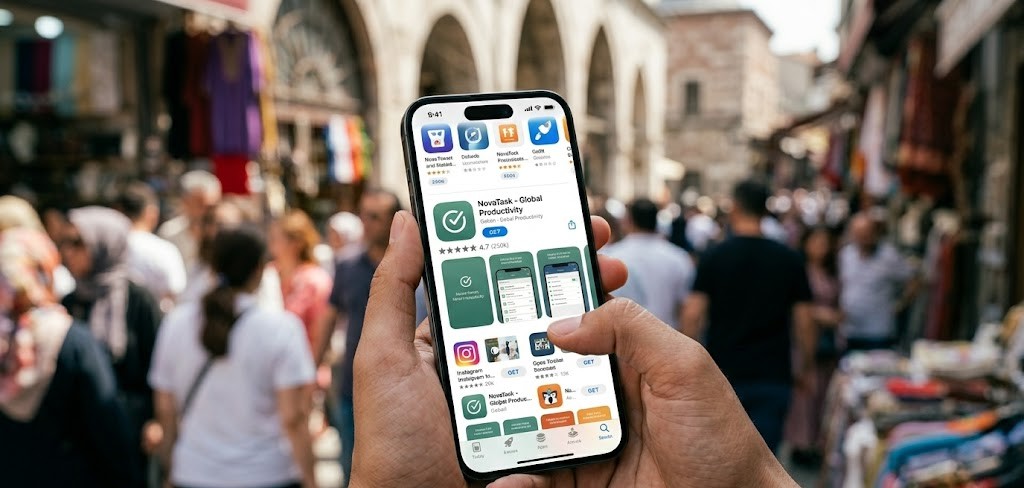
Metadata That Improves App Visibility
Metadata is the text that tells the store and the user what the app is about. It is one of the most direct parts of app store listing optimisation.
Strong metadata says what the app does, who it is for, and why a user should install it now.
This is where app metadata optimisation matters. Every word should earn its place. A short field needs one clear message.
App Name and App Title
The app name is Prime Space. Use the brand name and a useful keyword when it reads well. Keep it clean.
A title like “BrandName: Budget Planner” tells the user more than the brand name alone. It also supports store relevance.
For Turkey and global users, each market should have a version that sounds natural.
Subtitle, Short Description and Keyword Field
Apple gives the subtitle and keyword field a strong role. Google Play gives the short description a strong role. These fields need simple language.
The subtitle can explain the core use. The short description can give a fast value line. The keyword field should cover relevant search phrases with care.
A good line feels human. It reads like something a real person would understand at a glance.
Full Description and First Lines
The first lines matter because users often see them before they expand the page. Start with the core value, then explain the main features. A strong, full description can improve Google Play ranking and guide conversion at the same time.
Creative Assets That Improve Store Conversion
Ranking creates the first touch. Creative assets turn that touch into action. The icon, screenshots, and video should make the value feel obvious.
Users often decide from visuals before they read the full text. The first screenshot should show the main benefit.
Icons, Screenshots and App Videos
The icon should be clean at a small size. Screenshots should avoid clutter. Use plain captions that explain the benefit.
For store listing conversion, each visual should answer one user question. What does the app do? How does it feel? Why should I try it?
Videos can work well for apps with motion, onboarding, or special features. Show the experience quickly.
Localised Visuals for Turkey and Global Markets
Localised screenshots can make the app feel closer to the user. Turkey users may respond better to local names, currency, city references or familiar scenes. UK and global users may need English captions and broader examples.
This is where design and UX meet ASO. Pella’s mobile app development work connects with this because app design, store visuals, and user journeys should feel aligned.
Ratings, Reviews, Retention and App Quality
App stores look at how users respond. App reviews and ratings show trust. Retention shows that people keep using the app after installation.
A listing can bring users in. The app experience keeps them. So ASO should work with product quality, onboarding, speed, and user flows.
Reviews as Trust Signals
Reviews are more than star scores. They show what users value. They also show the words real people use. That makes reviews useful for ASO, product content, and brand messaging.
A strong review routine can guide updates. Reply with care. Notice repeated feature requests. Use review themes to improve screenshots, FAQs, and descriptions.
Retention and Technical Quality
A smooth app experience supports organic app downloads over time. Users stay longer when the app loads fast, works well, and explains each step clearly.
This is where ASO connects with UX/UI. A good listing sets the expectation. A good app meets that expectation. Together, they build trust.
Localisation Strategy for Turkish Apps Targeting Global Audiences
Localisation gives each audience the right version of the app story. A Turkish fintech app may need one tone for local users and another for UK investors, travellers or international customers.
Good localisation covers the app name, subtitle, descriptions, screenshots, captions, currency, dates, examples, reviews, and FAQ content.
Turkey Market Relevance
Turkey users may search with local city names, Turkish category terms, and common daily phrases. A localised listing can include these terms where they fit.
Seasonal timing can also shape store content. Travel, shopping, education, and food apps may need fresh store copy during peak periods.
UK English for Global Trust
UK English creates a smoother read for this audience. Use “optimise”, “localise,” and “behaviour” in the article body and global materials.
For ASO for global audiences, the tone should feel clear, warm, and useful. Use proof, features, and user value.
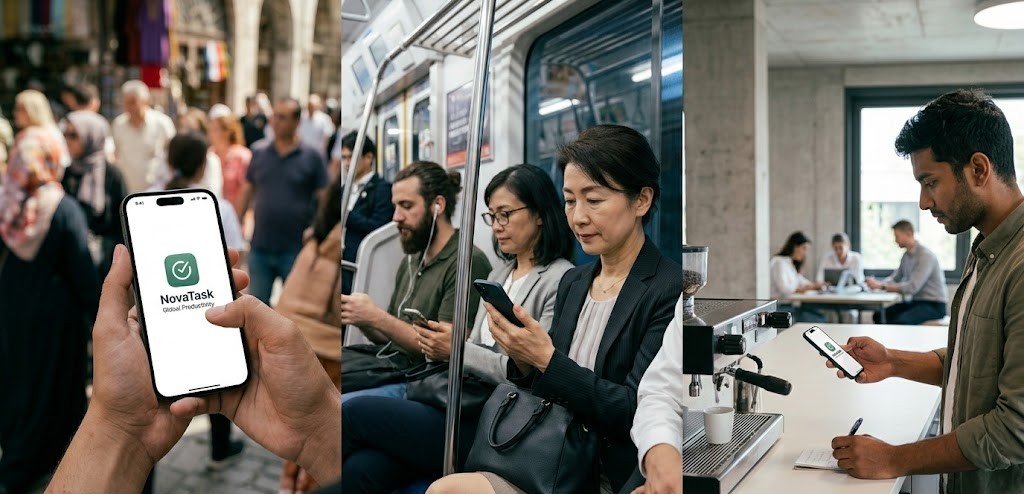
Measuring ASO Performance
ASO needs a steady routine. Launching a listing is the start. The next stage is tracking how users find it, how they act and what improves results.
Important metrics include keyword ranking, impressions, product page views, install rate, conversion rate, ratings, reviews, retention and country-level performance.
Key ASO Metrics
Ranking tells you where the app appears. Impressions show visibility. Conversion rate shows how well the page turns visitors into users.
Reviews show sentiment. Retention shows value after install. Country data shows which markets respond best. Together, these metrics give a clear view of mobile app growth Turkey.
Testing Cycle
A simple monthly cycle works well. Review keywords. Check competitors. Read reviews. Refresh screenshots when needed. Test short descriptions and creative assets.
For ASO for Turkish apps, use local events, user language, and category movement as part of the review cycle. Small changes can create steady gains.
How Pella Global Can Approach ASO in Turkey
ASO works best when it connects with the wider digital system. A mobile app needs store visibility, brand trust, clear content, and a good user journey.
Pella Global can shape ASO through SEO, Digital PR, content, design, and performance tracking. A brand can use ASO to grow App Store ranking, while wider content marketing builds authority outside the store.
FAQs on App Store optimisation in Turkey
What is App Store Optimisation?
App Store optimisation is the process of improving an app listing so it can rank higher and convert more visitors into users. It covers keywords, metadata, visuals, reviews, and testing.
Why is ASO important in Turkey?
Turkey has strong mobile usage and active app search behaviour. ASO gives Turkish brands a clearer way to reach local users, travellers, expats, and global audiences through Google Play and the App Store.
How does Google Play ASO differ from App Store ASO?
Google Play reads visible listing content such as app name, short description, and full description. Apple uses the app name, subtitle, keyword field, category, and user behaviour signals.
Which keywords should a Turkish app target?
A Turkish app should target brand terms, category terms, feature terms, and intent phrases. For international reach, combine Turkish search terms with natural English phrases that match UK and global user intent.
How often should app store listings be updated?
A monthly review is a good rhythm for active apps. Teams can check keyword ranking, reviews, conversion rate, screenshots, and competitor movement, then update the listing with clear data.
Conclusion
A strong app needs more than code. It needs a store listing that users can find, read, and trust in seconds. That means clear metadata, localised keywords, useful visuals, strong reviews, smooth UX, and steady testing.
For Turkish brands, ASO can connect local growth with UK and global reach. It can also work with SEO, Digital PR, content, and product strategy to create long-term visibility.
At Pella Global, brands can turn App Store optimisation in Turkey into a stronger ranking, better installs, and long-term mobile growth.
