


Omnichannel marketing is the practice of connecting every brand channel so customers get one smooth experience, from the first click to the final action. A person may find a brand through Google, watch a short video, read a blog, receive an email, send a WhatsApp message, and then return through a paid ad. To the customer, this feels like one journey. To the brand, it should work like one system.
This is why a strong multi-channel strategy matters. Customers move fast. They compare brands quickly. They expect brands to remember context, speak clearly, and guide them with the right message at the right moment.
For UK and global brands, the goal is simple: create a connected customer experience strategy that makes every touchpoint feel familiar, useful, and consistent. That includes search, social media, email, paid ads, CRM, website content, sales teams, and offline experiences where relevant.
What Is Omnichannel Marketing?
Omnichannel marketing is a connected approach where all channels work together to create one clear brand experience. It brings your website, social media, search, email, ads, CRM, messaging apps, and physical touchpoints into one journey.
Simple definition for modern brands
In simple terms, omnichannel marketing means your brand speaks with one voice across many places. A customer should feel the same brand energy on your website, Instagram page, Google ad, email newsletter, and landing page.
Why connected channels matter
A user may read a blog through SEO, return through a retargeting ad, join an email list, and book a consultation through a website form. Each action adds meaning to the journey.
Omnichannel vs Multichannel Marketing: The Key Difference
Multichannel marketing and omnichannel marketing sound close, and they work in different ways.
A brand using multichannel marketing may be active on Instagram, LinkedIn, Google, email, and YouTube. Each channel may perform well on its own. The main focus is presence across several platforms.
A brand using omnichannel marketing connects those platforms. The message, data, timing, and next step all work together.
Multichannel marketing focuses on channel presence
Multichannel marketing asks: where should the brand appear?
It focuses on visibility across different marketing channels. This can include social media, email, search, paid ads, blogs, podcasts, webinars, events, retail spaces, and messaging apps.
Omnichannel marketing connects data, message, and timing
Omnichannel marketing asks, ‘How should every channel work together?’
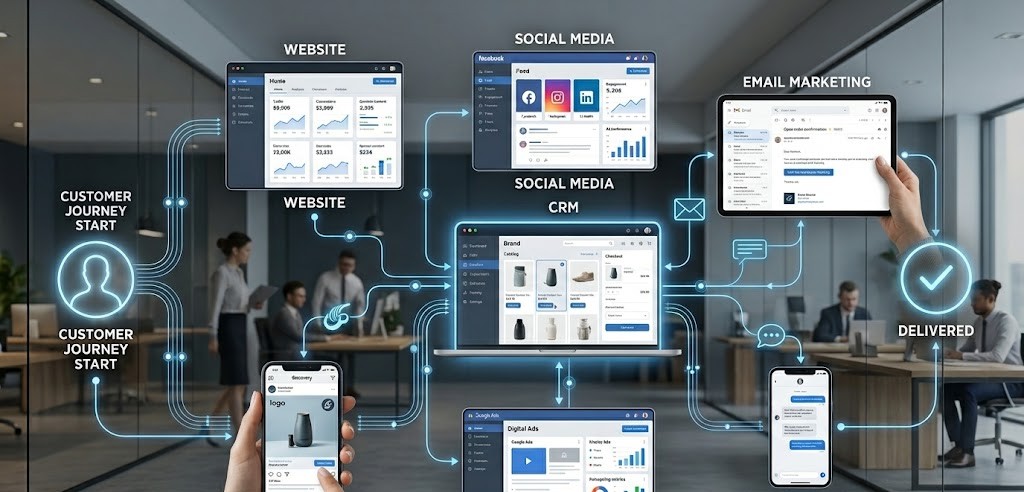
A customer who clicks a Google ad can later receive a relevant email, see a social ad with the same message, and land on a page that reflects the same campaign direction.
Why Omnichannel Marketing Matters for UK and Global Brands
This makes customer touchpoints very important. A touchpoint is any place where a person meets the brand. It can be a search result, social post, ad, email, chatbot, landing page, store visit, sales call, or review.
Customers move across channels before decisions
Modern buyers rarely follow a straight line. They may start with a search, move to social media, return to Google, and then speak to a team member.
This is where customer journey planning becomes valuable. Brands can map each stage and decide what the customer needs to see, read, or experience next.
Consistency builds trust, recall, and conversion
A consistent brand feels easier to remember. The same tone, message, visuals, and promise create recognition.
This also strengthens brand visibility. When customers see the same idea across different channels, it becomes easier to connect the brand with a clear value.
Core Features of a Strong Omnichannel Marketing Strategy
A strong omnichannel marketing strategy needs more than activity. It needs structure.
Unified customer data
Good omnichannel work starts with customer data. This can include website behaviour, email activity, ad clicks, purchase history, CRM records, form submissions, social engagement, and sales notes.
Customer journey mapping
Customer journey mapping shows how people move from first awareness to final action. It also shows the content, channel, and message that fit each stage.
| Stage | Customer action | Best content |
| Awareness | Finds the brand through search or social | Blog, short video, PR mention |
| Consideration | Compares options | Case study, guide, landing page |
| Decision | Takes action | Email, ad, consultation page |
| Loyalty | Returns again | Newsletter, CRM flow, community content |
Consistent messaging and creative direction
Consistent brand messaging is one of the strongest parts of omnichannel work. The customer should recognise the brand quickly, even when the format changes.
Personalisation and automation
A personalised customer experience makes people feel seen. It can be simple, such as sending a relevant email after a download. It can also use CRM behaviour to shape product suggestions or sales follow-ups.
Marketing automation makes this easier. It can trigger welcome emails, abandoned cart messages, lead nurturing flows, WhatsApp updates, SMS reminders, and remarketing audiences.
Cross-channel measurement
Cross-channel marketing needs strong measurement. Each platform has its own numbers, and the real value comes from seeing the full picture.
This is where marketing attribution becomes useful. It shows how channels work together before a customer takes action.
Main Channels in an Omnichannel Marketing System
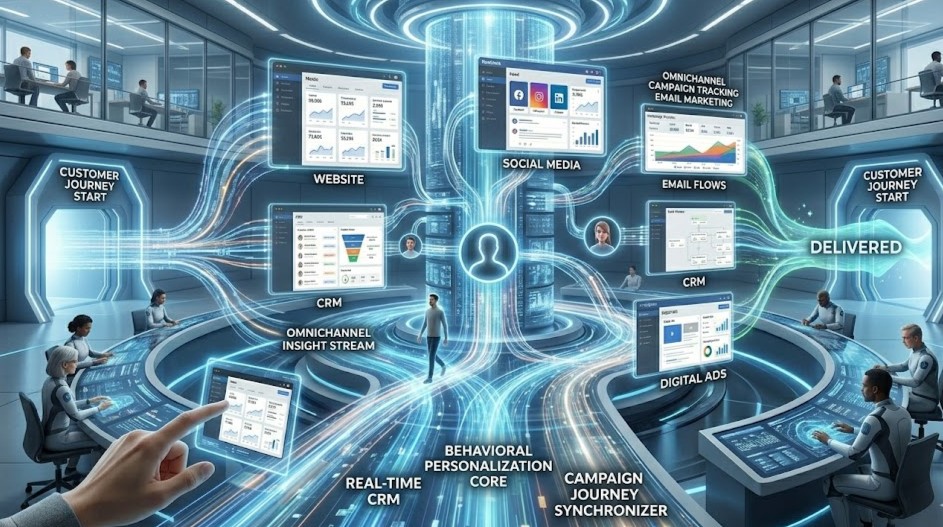
A complete omnichannel system includes the channels that matter most to the audience. The goal is to choose channels with purpose, rather than appear everywhere at once.
Website, SEO, and content
Your website is the central point of the journey. It carries your story, landing pages, contact forms, resources, and conversion paths.
SEO brings people in through search. Blog content answers early questions. Landing pages guide action. Strong UX keeps the journey smooth.
This is why a connected digital marketing strategy should include website structure, search visibility, content, analytics, and conversion paths.
Social media and digital advertising
Social media builds attention. Paid ads increase reach and speed. Together, they guide users from interest to action.
For stronger paid growth, brands can connect campaign planning with digital advertising, retargeting, creative testing, and performance tracking.
Email, SMS, WhatsApp, and CRM
Email, SMS, WhatsApp, and CRM keep the relationship active. They work well because they speak to people who have already shown interest.
They also support customer retention, because the brand continues the conversation after the first action.
Physical touchpoints where relevant
Some brands also have offline touchpoints. This may include stores, events, consultations, sales teams, exhibitions, packaging, print materials, and in-person experiences.
A strong omnichannel system connects these moments with digital activity. For example, an event visitor can scan a QR code, join a CRM list, receive a follow-up email, then see a social retargeting campaign.
How to Build an Omnichannel Customer Experience Strategy
Building a strong omnichannel customer experience starts with clarity. The brand must know who it wants to reach, what the audience wants, and which touchpoints matter most.
Define audience segments and intent
Audience segments group people by shared needs, behaviours, location, interest, or buying stage.
Search intent also matters. Some users want education. Some compare brands. Some are ready to take action.
Choose channels by journey stage
Each channel should have a clear role.
Awareness may come from SEO, PR, social media, YouTube, and paid reach. Consideration may come from blogs, case studies, guides, email, and landing pages. Decision may come from CRM, retargeting, consultations, and sales conversations.
Connect tracking, CRM, and reporting
Tracking connects the full journey. It shows where people come from, what they do, and which actions lead to conversion.
Create content for each touchpoint
A strong content marketing system turns one idea into many useful assets.
For example, one campaign topic can become a long-form blog, LinkedIn post, short video, newsletter section, Google ad, landing page, and sales script.
Pella also explores future search visibility through AI-powered search content, which connects well with omnichannel planning.
Refine through performance insight
Strong brands improve through insight. They look at what users read, where they click, which messages gain replies, and which channels create action.
This is data-led marketing in practice. It turns performance insight into better content, sharper campaigns, and stronger customer journeys.
Data, Privacy, and Trust in Omnichannel Marketing
Data makes omnichannel marketing stronger. It also needs clear handling, especially for UK and global audiences.
First-party data and transparent consent
First-party data comes directly from your audience. It may come from website forms, newsletter sign-ups, purchases, CRM records, surveys, or account activity.
This data is valuable because it comes from real customer interactions. It can guide personalisation, segmentation, and CRM journeys.
What UK and global brands should remember
For UK audiences, UK GDPR marketing and PECR email marketing deserve careful attention. Brands should use personal information fairly, clearly, and with a strong reason.
Omnichannel Marketing Examples for Different Businesses
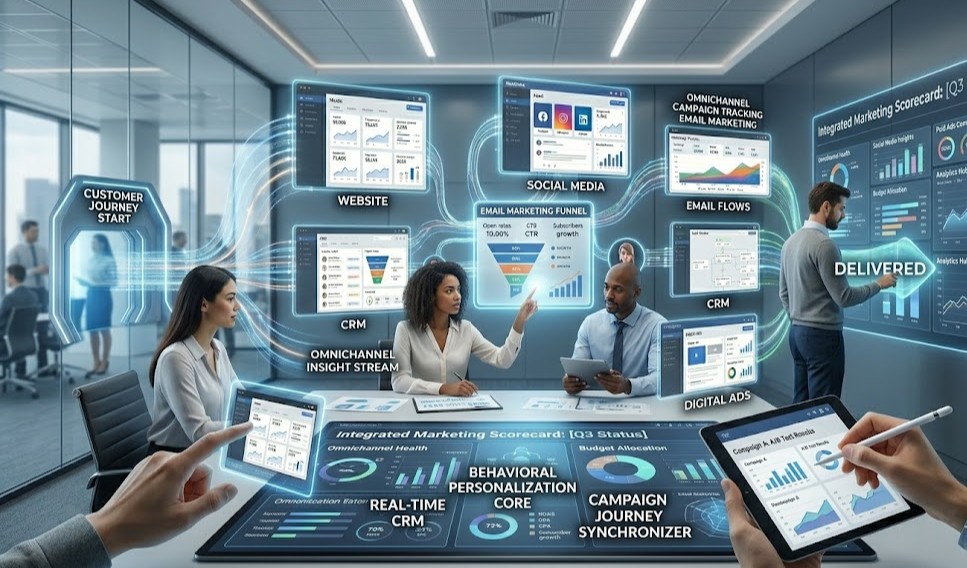
Omnichannel marketing works across many sectors. The channels may change, and the goal stays the same: make every touchpoint feel connected.
E-commerce and retail
A shopper may see a TikTok ad, visit a website, add a product to the cart, leave the site, receive an email, and then return through a retargeting ad.
B2B and professional brands
A business buyer may discover a company through LinkedIn, search the website, read a guide, attend a webinar, join an email list, and then speak to a sales team.
Each touchpoint supports the next one. The brand builds authority over time through content, visibility, and direct communication.
Tourism, healthcare, and local markets
A tourism brand may use search, social proof, WhatsApp enquiries, booking forms, video content, and email updates.
How Pella Global Can Approach Omnichannel Marketing
Pella Global already works across the key areas that make omnichannel marketing powerful: digital marketing, search visibility, content, social media, paid campaigns, brand positioning, creative production, software development, and Digital PR.
Strategy, creative, Digital PR, and measurable growth
A strong Pella-led system can combine search-led visibility, social media storytelling, CRM and email journeys, paid media campaigns, website and UX direction, Digital PR, and performance reporting.
Pella can also connect omnichannel work with reputation and visibility. Its article on public relations and reputation management fits this well, because customer experience and public perception now work closely together.
Final Thoughts
Omnichannel marketing is about creating one connected journey across many channels. It turns separate activities into a clear system. It also makes the brand easier to recognise, easier to trust, and easier to choose.
For UK and global brands, the strongest results come from alignment. Website content, SEO, social media, paid ads, CRM, email, Digital PR, and analytics should all work in the same direction.
At Pella Global, brands can shape stronger visibility, smarter customer journeys, and connected growth through strategy, creativity, data, and performance-led execution.
FAQs on Omnichannel Marketing
What is omnichannel marketing in simple terms?
Omnichannel marketing means connecting all brand channels so customers enjoy one smooth experience. A customer can move from search to social media, email, website, and CRM with the same clear message guiding the journey.
What is the difference between omnichannel and multichannel marketing?
Multichannel marketing focuses on being present across several channels. Omnichannel marketing connects those channels so the message, data, timing, and customer journey work together.
Which channels are used in an omnichannel marketing strategy?
A strong omnichannel marketing strategy can include a website, SEO, social media, paid ads, email, SMS, WhatsApp, CRM, blogs, apps, stores, events, and sales teams. The best mix depends on where the audience spends time and how they prefer to engage.
Why is customer data important in omnichannel marketing?
Customer data shows how people interact with a brand across different touchpoints. It supports better timing, stronger segmentation, relevant content, and a more personalised customer experience.
How can brands measure omnichannel marketing performance?
Brands can measure omnichannel performance through conversion rate, lead quality, assisted conversions, email engagement, repeat sales, customer lifetime value, and marketing attribution. These metrics show how omnichannel marketing supports customer experience, visibility, and growth.
